
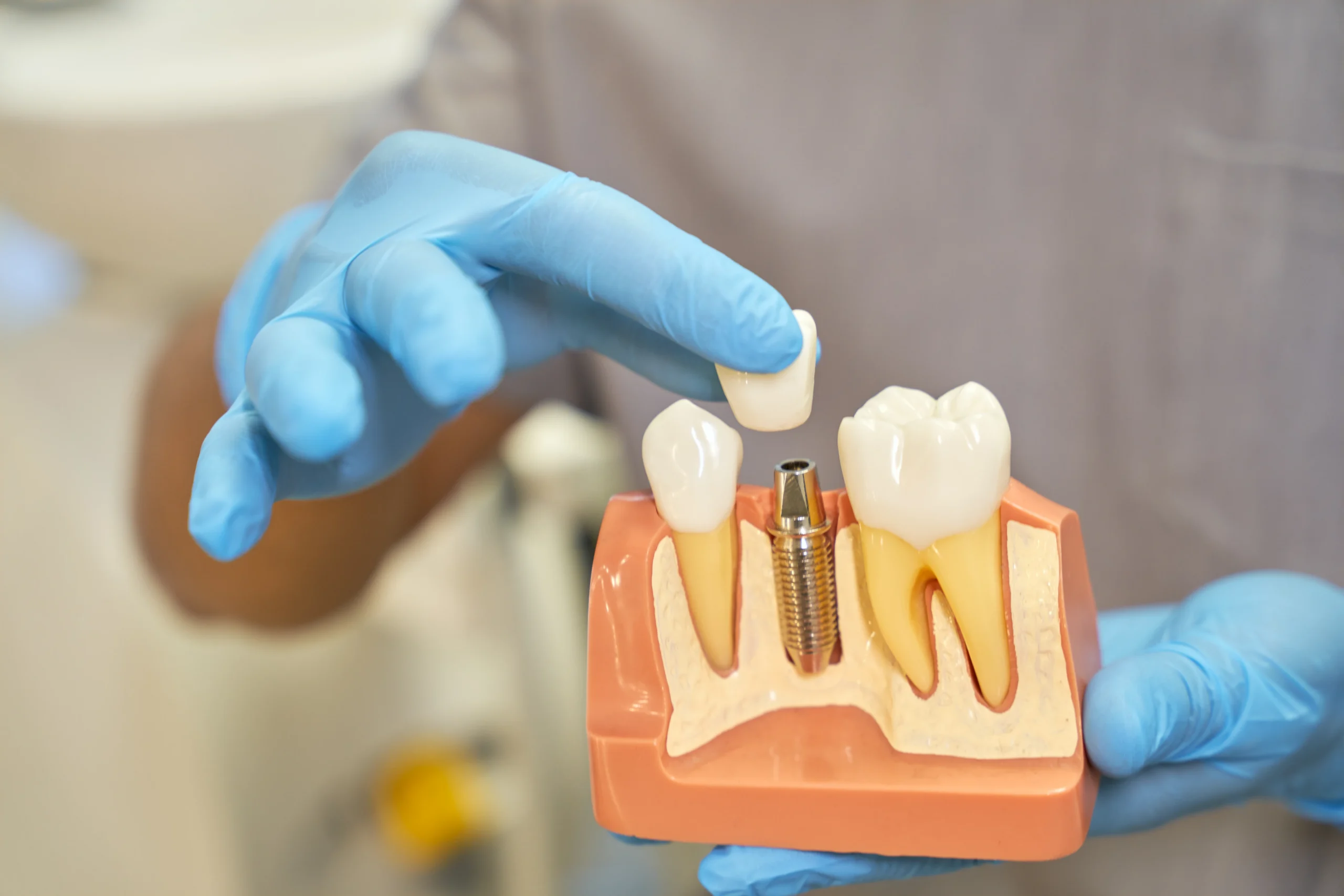
Losing a tooth often changes more than appearance alone. Missing teeth may gradually affect chewing comfort, speech clarity, bite balance, and even confidence during everyday interactions. Open spaces sometimes allow neighboring teeth to shift, which may place additional stress on surrounding structures over time.
For many individuals, treatment involving a dental bridge in San Gabriel, CA, becomes an important option for restoring stability while maintaining a more complete smile. Bridges are designed to replace missing teeth by securing an artificial tooth between supporting natural teeth or restorations.
Replacing missing teeth earlier may also help reduce long-term complications involving alignment and bite support.
Tooth Replacement Helps Preserve Bite Balance
Each tooth contributes to the even distribution of chewing pressure throughout the mouth. When one tooth is lost, neighboring teeth sometimes absorb additional pressure or begin shifting into the empty space.
This movement may eventually affect chewing efficiency and create uneven bite patterns. Restoring the missing area often helps stabilize surrounding teeth while supporting more balanced oral function.
Individuals considering a dental bridge in San Gabriel, CA, often seek treatment that improves both appearance and long-term oral stability, rather than focusing solely on cosmetic concerns.
Dental Bridges Continue Evolving with Modern Dentistry
Restorative dentistry has advanced significantly over time, improving how bridges look and function. Modern bridge materials are often designed to blend more naturally with surrounding teeth while still supporting durability during everyday use.
Digital imaging and updated restorative techniques also help improve fit and bite alignment compared to older methods. More personalized treatment planning frequently contributes to stronger comfort and more natural aesthetics after restoration is completed.
Some patients pursuing a dental bridge in San Gabriel, CA, are surprised by how closely modern restorations resemble natural teeth once treatment is finalized.
Comparing Bridges with Other Tooth Replacement Options
Different restorative solutions may address missing teeth depending on the patient’s oral health condition and long-term goals.
| Tooth Replacement Option | Stability | Removable or Fixed | Jawbone Support |
| Dental Bridge | Moderate to High | Fixed | Limited |
| Dental Implants | High | Fixed | Yes |
| Partial Denture | Moderate | Removable | Limited |
| Full Denture | Moderate | Removable | Limited |
Each option offers different advantages depending on bite conditions, gum health, and personal treatment preferences.
Bridges Help Support Everyday Comfort
Missing teeth sometimes makes chewing more difficult, especially when several teeth are affected. Restoring these areas may improve how pressure is distributed during meals and reduce strain on neighboring teeth.
Some individuals also notice improvements in speech clarity and confidence after replacing visible gaps. Feeling more comfortable smiling or eating around others may positively affect everyday interactions and routines.
Patients researching a dental bridge in San Gabriel, CA often value treatment options that restore practical function while still maintaining natural-looking aesthetics.
Good Oral Hygiene Remains Important After Treatment
Although bridges help replace missing teeth, surrounding teeth and gum tissue still require regular maintenance. Healthy supporting teeth play an important role in maintaining long-term bridge stability.
Helpful preventive habits often include:
- Brushing carefully twice daily
- Flossing around the bridge properly
- Scheduling routine dental cleanings
- Monitoring for gum irritation or sensitivity
- Addressing grinding habits if necessary
Strong oral hygiene routines often help significantly extend the lifespan of restorative treatments.
Tailoring treatment plans leads to better results
No two patients experience tooth loss in exactly the same way. Some individuals lose a single tooth because of injury, while others experience missing teeth related to decay, gum disease, or aging.
Personalized treatment planning helps clinicians evaluate bite stability, gum condition, and neighboring tooth support before recommending restorative solutions. This approach often creates more predictable long-term outcomes.
Inside restorative care discussions at InStyle Dental, treatment planning frequently centers around preserving oral function while helping patients feel comfortable and informed throughout the process.
Tooth Replacement Can Influence Confidence
Visible gaps in the smile sometimes affect how comfortable individuals feel during conversations or social interactions. Some people become more hesitant to smile naturally or chew comfortably in public settings after tooth loss occurs.
Restorative treatment often improves emotional confidence alongside physical comfort. Replacing missing teeth may help patients feel more comfortable returning to their normal routines and improve long-term oral stability.
Individuals interested in a dental bridge in San Gabriel, CA, often seek treatment that feels both practical and natural-looking without dramatically altering their smile.
Oral Health Requires Ongoing Maintenance
Replacing missing teeth is only one part of maintaining long-term oral wellness. Preventive care remains important after restorative treatment because supporting teeth and gum tissue still require regular monitoring.
Routine evaluations help identify bite changes, gum irritation, or wear patterns before they lead to more serious complications. Healthy daily habits also continue supporting bridge stability and overall oral function.
For individuals looking for personalized restorative treatment focused on comfort and long-term stability, InStyle Dental continues to provide patient-centered care designed around healthier smiles and stronger oral function.
FAQs
What is a dental bridge used for?
A dental bridge is used to replace one or more missing teeth while helping restore chewing function and appearance.
Are dental bridges removable?
Traditional dental bridges are fixed restorations designed to remain securely in place.
Can missing teeth affect neighboring teeth?
Yes. Neighboring teeth may gradually shift into open spaces left by missing teeth.
How long do dental bridges usually last?
Longevity depends on oral hygiene habits, bite pressure, and regular preventive dental care.
Why do some individuals choose bridges instead of removable tooth replacement options?
Patients receiving care through InStyle Dental who have fixed restorative treatment feel more stable and natural during everyday eating and speaking.