
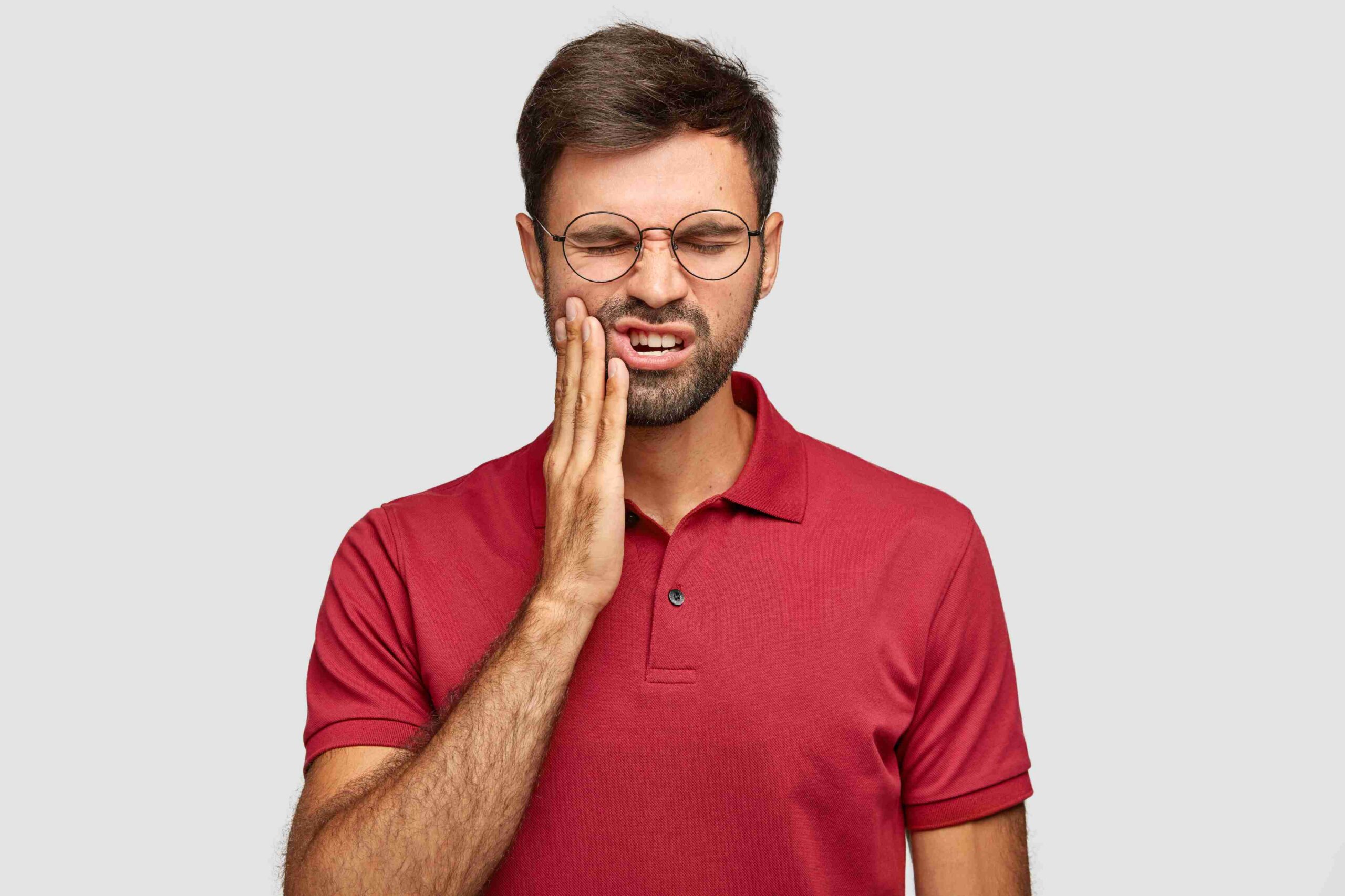
An emergency dentist in Rosemead, CA patients contact may help with severe tooth pain, swelling, broken teeth, knocked-out teeth, bleeding, trauma, lost restorations, or infection signs. Urgent dental care in Rosemead, CA is recommended when symptoms are intense, worsening, or linked to fever, facial swelling, injury, or trouble chewing. An emergency visit usually focuses on diagnosis, reducing risk, protecting the tooth when possible, and planning follow-up care after evaluation.
Dental problems can become stressful without warning. A toothache may start with mild pressure and become strong enough to interrupt sleep. A crown may loosen during a meal; swelling may appear near the gums, or a child may chip a tooth while playing.
Patients searching for an emergency dentist in Rosemead, CA often need help deciding whether a symptom should be checked quickly. Severe pain, swelling, trauma, uncontrolled bleeding, fever, or signs of infection should not be ignored. At InStyle Dental, emergency dental care focuses on identifying the cause, reducing risk, and explaining whether the tooth can be repaired, stabilized, treated, or may need another type of care.
Pain That Changes Your Day
Tooth pain can come from decay, cracks, gum infection, bite pressure, damaged fillings, or inflammation inside the tooth. Mild sensitivity may not always be urgent, but strong or worsening pain should be evaluated.
Pain that wakes a patient at night, spreads into the jaw, or makes chewing difficult may point to a deeper problem. Throbbing pain can sometimes be linked to infection or nerve inflammation.
Pain relievers may reduce discomfort for a short time, but they do not treat the cause. A dental exam helps determine what is happening.
Swelling Near the Tooth, Jaw, or Face
Swelling around the gums, cheeks, jaws, or face should be taken seriously. It may happen when infection or inflammation builds near a tooth root or gum tissue.
Patients should seek urgent dental care if swelling spreads, worsens, or comes with fever, pus, a bad taste, trouble opening the mouth, or feeling unwell. These signs may suggest infection.
Do not try to drain swelling at home. Pressing, poking, or using sharp objects can irritate the tissue and may make the problem worse.
Broken Teeth and Lost Restorations
A broken tooth may be painful, sharp, or sensitive to air and temperature. Even a small chip should be checked if it cuts the tongue or cheek.
A lost filling or crown can expose the tooth underneath. This may cause food trapping, sensitivity, or chewing discomfort. If a crown comes off, keep it and bring it to the appointment.
Avoid chewing on the affected side until the tooth is evaluated. Do not use household glue to reattach dental work because it can damage the tooth or irritate the gums.
Knocked-Out Teeth Need Fast Action
A knocked-out permanent tooth is time-sensitive. Hold the tooth with the crown, not the root. If it is dirty, rinse it gently with milk or saline if available. Do not scrub it.
If the tooth fits back into the socket easily, place it gently and hold it there. If not, keep it moist in milk and seek urgent dental care right away.
A loose, shifted, or painful tooth after trauma also needs evaluation. Damage may not be fully visible at first.
Children’s Dental Emergencies Can Be Hard to Judge
A pediatric dentist in Rosemead, CA in search may happen when a child has tooth pain, swelling, a chipped tooth, or an injury. Children may not describe pain clearly, so parents should watch chewing changes, crying during meals, swelling, or avoiding certain foods.
Baby teeth and permanent teeth are handled differently after injury. A knocked-out baby’s tooth should not be pushed back into the socket, but a knocked-out permanent tooth needs urgent attention.
Parents should seek care quickly for swelling, fever, facial injury, uncontrolled bleeding, or a broken tooth with pain.
Family Dental Planning During Urgent Situations
A family dentist in Rosemead, CA may help manage dental emergencies across different ages. Children, teens, adults, and older adults can all have urgent dental needs.
Family records can help during emergency visits. Past X-rays, restoration history, gum records, and treatment notes may give useful context.
After the urgent issue is managed, follow-up care may be needed. A temporary repair may need a final restoration, or infection of care may need further treatment.
How a Regular Dentist Helps with Diagnosis
A dentist in Rosemead, CA patients visit for urgent care may examine the tooth, gums, bite, jaw, and nearby tissues. X-rays may be recommended.
Emergency care begins with identifying the source of the symptoms. The cause may be decay, infection, trauma, cracked teeth, gum disease, bite pressure, or a failed restoration.
Not every urgent visit has the same outcome. Some visits may include treatment, while others focus on stabilizing the problem and planning final care.
When Hospital Care May Be Needed
Some symptoms may need medical emergency care. Trouble breathing, trouble swallowing, severe facial trauma, uncontrolled bleeding, or rapidly spreading swelling should be treated as urgent medical concerns.
Dental infections can sometimes affect areas beyond the teeth. Fever, facial swelling, and feeling very unwell should not be ignored.
A dentist can address tooth-related diagnosis and treatment, but hospital care may be needed when symptoms affect general safety.
What Emergency Dental Care May Help With
Emergency dental care focuses on diagnosis, risk reduction, and planning the correct next step.
Urgent dental care may help with:
- Finding the source of pain
- Checking swelling or infection signs
- Protecting a broken tooth
- Evaluating dental trauma
- Managing lost fillings or crowns
- Helping with children’s dental injuries
- Planning final treatment after stabilization
- The exact care depends on the diagnosis. Some cases need same-visit treatment, while others need staged care.
What to Do Before the Appointment
If a tooth breaks, rinse gently and avoid chewing on that side. If there is bleeding, apply gentle pressure with clean gauze.
For swelling, do not apply heat unless a dentist advises it. For a knocked-out permanent tooth, keep it moist and seek urgent dental care quickly.
Write down when symptoms start, what makes them worse, and whether fever, swelling, trauma, or bleeding is present. These details help the dental team understand urgency.
What Happens During the Emergency Visit
The visit often begins with questions about symptoms and timing. The dentist may ask when pain starts, whether it is getting worse, and whether an injury occurs.
The exam may focus on the problem area first. The dentist may test the tooth, check the bite, look at the gums, and review X-rays if needed.
After evaluation, patients should receive a clear explanation. The next step may be a repair, temporary care, medication guidance, referral, extraction discussion, root canal evaluation, or a planned follow-up visit.
Local Patient Review
“I had strong tooth pain and did not know if it could wait. The visit helped explain the cause and what needed to happen next.”
Getting Clear Help When Dental Symptoms Escalate
Urgent dental symptoms can feel overwhelming, but a focused evaluation can make the next step clearer. For patients in Rosemead, CA with tooth pain, swelling, broken teeth, children’s dental injuries, or sudden dental changes, InStyle Dental can help explain care options after an emergency dental assessment.
Frequently Asked Questions
What symptoms require an emergency dentist in Rosemead, CA visit?
Severe pain, swelling, broken teeth, knocked-out teeth, trauma, fever, uncontrolled bleeding, or infection signs should be checked promptly.
What should parents do if a child chips a tooth?
Rinse the mouth gently, save any tooth pieces if possible, and have the tooth evaluated. Pain, bleeding, or swelling needs faster attention.
Is facial swelling from a tooth serious?
Yes, swelling can suggest infection. Swelling with fever, pus, trouble swallowing, or spreading redness should be checked urgently.
Can a lost crown wait several days?
It should be evaluated soon because the tooth underneath may be exposed. Avoid chewing on that side and bring the crown to the visit.
What should I do if a permanent tooth is knocked out?
Hold it by the crown, keep it moist in milk if possible, and seek urgent care quickly. Do not scrub the roots.
Can emergency dental care save every tooth?
No, some teeth are too cracked, loose, infected, or damaged to restore predictably. An exam helps explain the options.
Should I use antibiotics I already have for dental swelling?
Do not self-treat with leftover medication. Dental swelling needs evaluation to identify the source and the right care.
Will the emergency visit include final treatment?
Sometimes, but not always. The visit may focus on diagnosis, temporary care, pain control guidance, or planning for final treatment.