
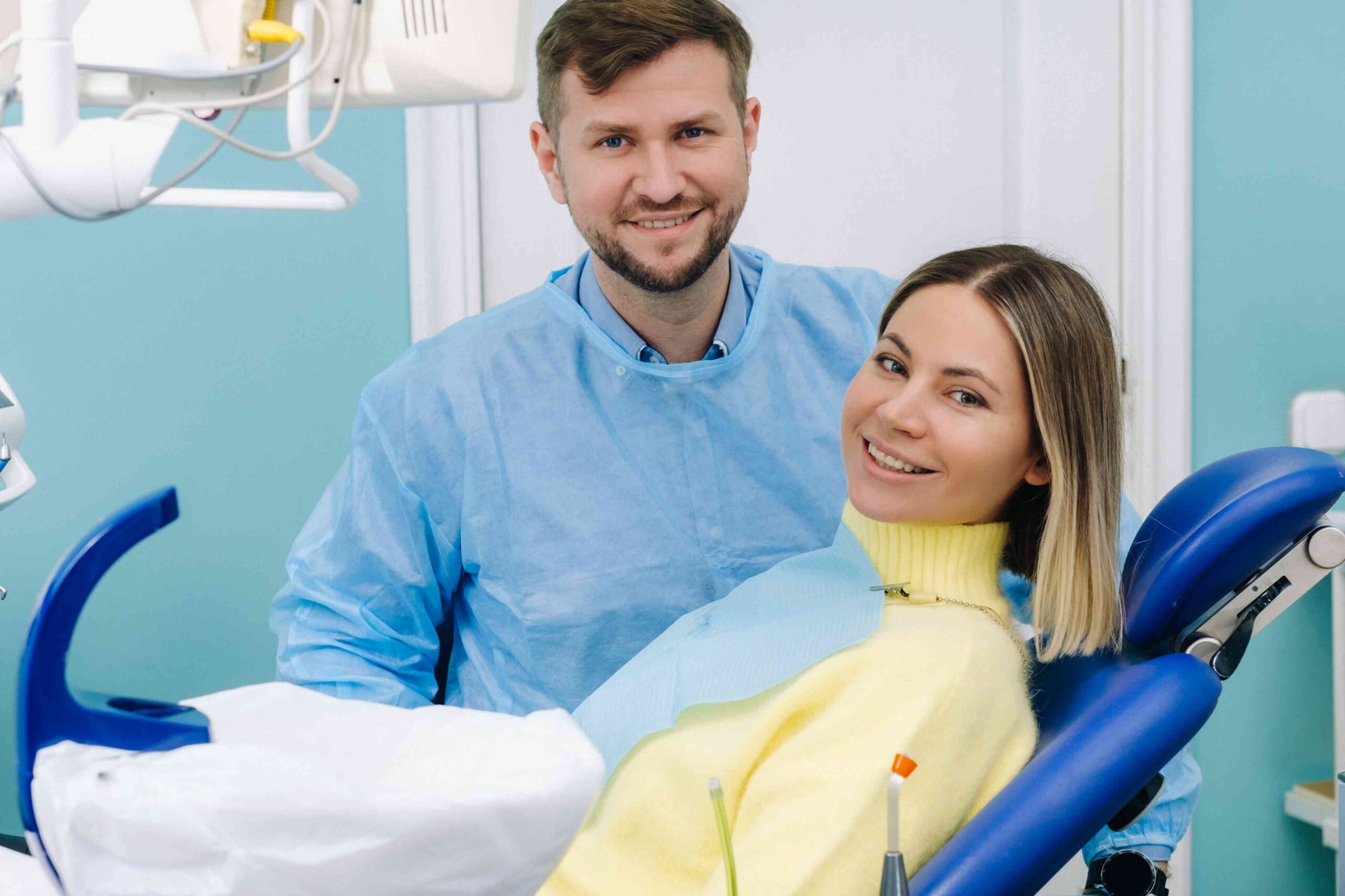
A dentist in Pasadena, CA patients choose to support preventive exams, cleanings, gum health checks, bite review, restorative planning, Invisalign questions, and whitening discussions after a complete dental evaluation. Regular dental visits in Pasadena, CA can help identify cavities, gum inflammation, worn enamel, cracked teeth, shifting teeth, sensitivity, and older dental work concerns before they become harder to manage. The right dental visit should explain what is healthy, what needs care first, and what can be monitored.
Dental care feels easier when the visit gives useful answers. A tooth may feel sensitive during meals, gums may bleed when brushing, or an older crown may feel different when biting. Some patients in Pasadena, CA may not have pain but still want to know whether their teeth, gums, and bites are healthy.
A search for dentists in Pasadena, CA often starts with a practical need. Patients may want a checkup, help with a concern, or guidance about treatment options they have been considering. A good dental visit should not leave patients guessing. It should explain current oral health, why a recommendation is being made, and how prevention, tooth repair, Invisalign, or whitening may fit if needed.
Getting a Full Picture Before Making Dental Decisions
A helpful dental visit starts by looking at the whole mouth, not only the tooth that feels different. Your dentist may review health history, medications, symptoms, past dental care, and daily habits.
The exam may include checking tooth surfaces, gums, bite pressure, oral tissues, and existing dental work. Cleanings help remove plaque and tartar that brushing and flossing may be missed at home.
X-rays may be recommended when needed. They can help show cavities between teeth, bone levels, root concerns, impacted teeth, or issues beneath older fillings or crowns.
Why Preventive Visits Still Matter
Preventive dental care helps identify changes early. A small cavity, mild gum inflammation, or worn restoration may be easier to manage when found before pain starts.
Patients in Pasadena, CA may also benefit from conversations about dry mouth, clenching, grinding, snacking habits, tobacco use, flossing technique, and tooth sensitivity. These daily factors can shape long-term oral health.
Prevention cannot stop every dental problem. It can help make care more predictable by finding concerns before they become more complex.
Early Clues Patients Should Mention
The mouth often gives small signals before a larger dental issue develops. Sensitivity, food trapping, bleeding gums, rough fillings, jaw soreness, or a change in how teeth meet should be shared during a visit.
A tooth that hurts only when chewing could have a crack, bite issue, or deeper decay. Bleeding gums may point to plaque buildup, gum inflammation, or gum disease.
A rough filling or crown edge may collect food or irritate the tongue. These details help the dentist understand what needs attention and what can be watched.
How Gum Health Influences the Plan
Healthy gums support the teeth and help protect the bone around them. Gum inflammation may begin with bleeding, puffiness, tenderness, bad breath, or gum recession.
A gum check may measure spaces around the teeth and identify areas that need closer care. If gum disease is present, treatment may be recommended before cosmetic, restorative, or orthodontic care.
At InStyle Dental, dental visits may include reviewing gum health, tooth structure, bite pressure, older restorations, alignment concerns, and cosmetic goals before treatment options are discussed. This helps patients understand the full picture before choosing the next step.
When Dental Crowns May Enter the Conversation
Dental crowns Pasadena, CA patients ask about may be recommended when a tooth is cracked, worn, weakened, heavily filled, broken, or treated with a root canal. A crown covers the visible part of the tooth to help restore shape and chewing support.
A crown may be needed when a filling would not provide enough protection. Large fillings can leave thin tooth walls that are more likely to fracture under pressure.
The dentist should explain why a crown is being considered, what tooth structure remains, and how bite pressure affects the recommendation.
Where Invisalign Questions Fit into General Care
Invisalign Pasadena, CA patients may help with mild to moderate crowding, spacing, or tooth shifting. Clear aligners move teeth gradually with removable trays.
Tooth position can affect more than appearance. Crowding may make flossing harder, while spacing can trap food. An uneven bite may place extra pressure on certain teeth.
Before Invisalign is recommended, the teeth and gums should be healthy enough for movement. Cavities, gum inflammation, unstable restorations, or bite concerns may need care first.
How Whitening Discussions Should Be Handled
Teeth whitening Pasadena, CA patients ask about may be discussed when natural teeth look dull, yellowed, or stained. Whitening may help select enamel stains, but it is not right for every type of discoloration.
Whitening does not change the color of crowns, veneers, bonding, fillings, or dentures. It also does not repair chips, cracks, cavities, or gum disease.
A dental exam helps determine whether whitening is suitable or whether another cosmetic option may fit better. Tooth color should be discussed alongside enamel health, sensitivity, and existing dental work.
Bite Pressure Can Affect Many Treatments
The way teeth meet can influence fillings, crowns, aligners, whitening sensitivity, and long-term comfort. Heavy bite pressure may lead to worn enamel, chipped teeth, cracked restorations, or jaw soreness.
Some patients grind or clench without knowing it, especially during sleep. A dentist may notice flattened tooth edges, cracks, or sore chewing muscles during an exam.
Checking the bite helps make treatment planning more complete. A tooth repair or cosmetic plan should work with daily function, not only appearance.
What Makes a Dental Visit Helpful
A useful dental visit gives patients clear priorities. Patients should understand what is healthy, what needs care soon, and what can be monitored.
A strong visit may include:
- A full-mouth exam
- Gum health review
- Cavity and restoration checks
- Bite and tooth wear evaluation
- Home-care guidance
- Crown planning when needed
- Invisalign discussion when appropriate
- Whitening guidance after oral health is checked
- These benefits depend on regular visits, daily habits, medical history, and each patient’s oral health needs.
What to Expect at Your First Appointment
A first appointment often begins with health history, medications, current concerns, and past dental experiences. Patients may mention sensitivity, bleeding gums, tooth pain, jaw soreness, shifting teeth, whitening goals, or old dental work.
The dentist may examine the teeth, gums, bites, restorations, and oral tissues. X-rays may be recommended based on symptoms, risk levels, and the timing of previous images.
After the exam, patients should receive a clear explanation. The next step may be cleaning, monitoring, gum care, filling, crown treatment, Invisalign evaluation, whitening consultation, or another recommendation based on findings.
Local Patient Review
“I had a few dental questions and did not know where to start. The visit helped explain what was healthy, what needed attention, and what could wait.”
A Clearer Way to Plan Dental Care
Dental care feels more manageable when patients understand what is healthy, what needs attention, and what can be monitored. For patients in Pasadena, CA looking for preventive care, crown guidance, Invisalign discussions, whitening options, or staged treatment planning, InStyle Dental can help explain what may fit after a complete evaluation.
Frequently Asked Questions
What should I ask for during my first visit with a dentist in Pasadena, CA?
Ask what was found, which issues need care first, what can be monitored, and how your daily habits affect your teeth and gums.
Can one visit cover both health and cosmetic concerns?
Yes, many patients discuss sensitivity, gum health, whitening, alignment, and old restorations during the same visit. Oral health should be checked first.
Why would my dentist check my bite?
Bite pressure can affect crowns, fillings, tooth wear, jaw comfort, and aligner planning. It helps explain how teeth function while chewing.
Can whitening be done before other dental work?
Sometimes, cavities, gum inflammation, sensitivity, and visible restorations should be checked first. Whitening does not change crown or filling color.
How do I know if I need a crown instead of a filling?
A crown may be discussed when a tooth is cracked, weakened, heavily filled, or missing too much structure for a filling to protect it well.
Can Invisalign help if my teeth shifted after braces?
Invisalign may help selected cases of mild to moderate shifting. A dental evaluation is needed to check gum health, bite, and tooth movement needs.
Should bleeding gums be treated before cosmetic care?
Yes, gum inflammation should be evaluated first. Healthy gums help support comfort, appearance, and long-term dental treatment.
How often should Pasadena patients schedule dental visits?
Many patients benefit from visits about every six months. Some need more frequent care based on gum health, cavity risk, or medical history.