
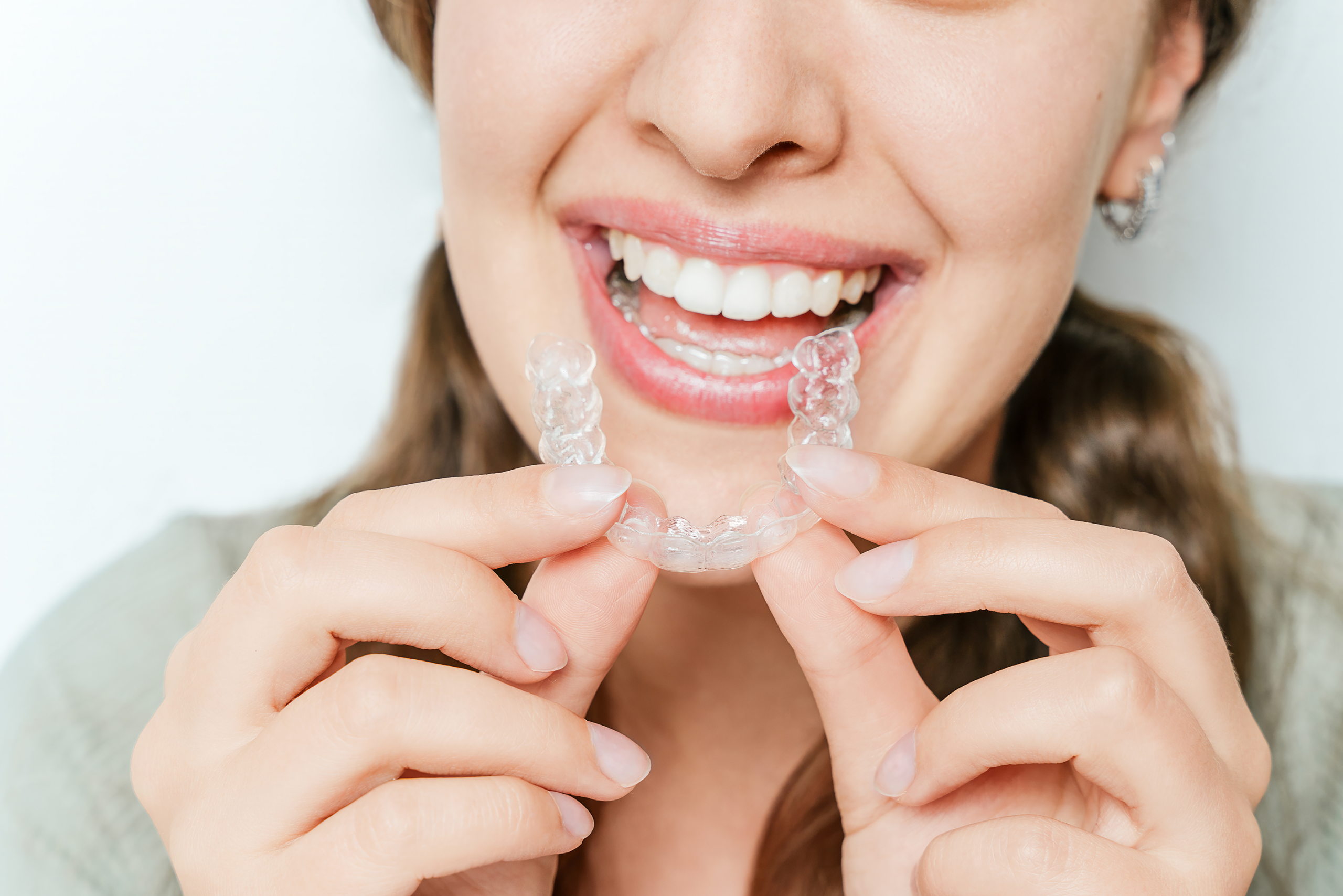
Invisalign Pasadena, CA patients may help mild to moderate crowding, spacing, or tooth shifting through a series of removable clear aligners. Treatment planning in Pasadena, CA should begin with a dental evaluation to check gum health, cavities, bite pressure, old restorations, tooth movement needs, and patient consistency. Invisalign may support easier cleaning and improved alignment in selected cases, but complex bite problems, severe crowding, or unstable oral health may need another approach first.
Tooth movement can happen slowly. A front tooth may start to overlap, a small space may appear, or teeth that looked straight after past treatment may begin shifting again. Some patients in Pasadena, CA notice the change while flossing, while others see it in photos or feel a change in how their teeth meet.
Patients searching for Invisalign Pasadena, CA often want to know whether clear aligners can improve alignment without traditional braces. Invisalign can help selected patients with mild to moderate movement needs, but it depends on more than appearance. Teeth, gums, bite pressure, old dental work, and daily aligner habits all affect the plan. A dental evaluation helps determine whether aligners are suitable or whether another option may fit better.
Why Teeth Shift Over Time
Teeth can shift for several reasons. Some movement happens after orthodontic treatment if retainers are not worn as directed. Other changes may happen because of aging, gum changes, tooth loss, grinding, or bite pressure.
A small shift may not cause pain, but it can affect cleaning. Crowded areas may trap plaque, while new spaces may catch food. Changes in tooth position can also affect how biting pressure is shared.
Not every small shift needs treatment. A dentist can help decide whether the change should be monitored, treated with aligners, or reviewed by an orthodontic provider.
What Clear Aligners Are Designed to Do
Invisalign uses a series of removable clear trays that guide teeth through planned movements. Each aligner makes a small change, and the sequence is designed around the patient’s treatment plan.
Aligners are taken out for eating, drinking anything other than water, brushing, and flossing. This can make daily cleaning easier than with fixed brackets and wires.
Treatment depends on consistent wear. If aligners are left out too often, teeth may not move as planned, and treatment timing may change.
Crowding, Spacing, and Bite Fit
Clear aligners may help with selected crowding, spacing, mild rotations, or shifting after past orthodontic treatment. The exact movements depend on the case.
Crowding can make it harder to clean between teeth. Spacing can affect appearance and may allow food to be collected. A bite that feels uneven can place extra pressure on certain teeth.
At InStyle Dental, aligner discussions may include checking gums, bite pressure, tooth wear, existing restorations, and movement goals before treatment options are explained. This helps patients understand whether Invisalign is appropriate for their mouth.
Oral Health Must Be Stable First
Teeth move through bone and gum support. This means gum health should be checked before Invisalign treatment begins.
Cavities, gum inflammation, loose teeth, or untreated infection may need to be taken first. Starting tooth movement before oral health is stable can create avoidable problems.
The dentist may also review home care habits. Aligners cover the teeth for many hours, so plaque control and brushing before reinserting trays matter.
How Crowns and Fillings Affect Planning
Dental crowns Pasadena, CA patients already have may need to be reviewed before Invisalign begins. Crowns, fillings, and other restorations can affect how aligners fit and how attachments may be planned.
A crown does not automatically prevent Invisalign treatment, but its condition matters. A loose, worn, cracked, or poorly fitting crown may need attention first.
If a tooth needs a new crown and the patient also wants aligners, timing should be discussed. In some cases, tooth movement may happen before final restorative treatment. In other cases, a tooth may need repair first.
Why Whitening Timing Matters
Teeth whitening Pasadena, CA patients ask about may also be part of smile planning. Whitening changes the color of natural enamel, while Invisalign changes tooth position.
Some patients may choose alignment before whitening because straighter teeth can make cosmetic planning more balanced. Others may need whitening after alignment or tray wear affect shade planning.
Whitening does not change the color of crowns, fillings, veneers, or bonding. If visible restorations are present, the dentist may help plan the right sequence.
Daily Life with Aligners
Clear aligners require steady habits. Patients usually need to wear aligners most of the day and night, based on provider instructions.
Aligners should be stored in a case when removed. Eating with aligners can damage or stain them. Drinking sugary or acidic drinks while wearing trays may increase cavity risk.
New aligners may feel tight at first. Mild pressure can be expected as teeth begin moving, but sharp pain, poor fit, or trays that do not sit properly should be checked.
What Makes Someone a Better Candidate
A good Invisalign candidate usually has healthy gums, manageable tooth movement needs, and the ability to follow wear instructions. The bite should also be evaluated to see whether aligners can safely guide the teeth.
Patients with severe crowding, complex bite problems, impacted teeth, or major jaw alignment concerns may need a different orthodontic approach.
Existing dental work, missing teeth, grinding habits, and gum support can all affect suitability. A consultation helps clarify what is realistic.
Benefits Patients Often Want from Invisalign
Invisalign may offer practical benefits for selected patients when treatment is planned carefully, and aligners are worn as directed.
Invisalign may help with:
- Mild to moderate crowding
- Small spaces between teeth
- Minor shifting after past orthodontics
- Easier flossing in selected cases
- Less noticeable orthodontic treatment
- Removable trays for meals
- Smile planning before whitening or cosmetic care
- These benefits depend on diagnosis, wear time, oral hygiene, gum health, and follow-up care. Results cannot be guaranteed for every case.
What Happens at an Invisalign Consultation
An Invisalign consultation usually begins with a conversation about what has changed or what the patient wants to improve. Patients may mention crowding, spacing, relapse after braces, bite discomfort, or cosmetic goals.
The dentist may examine teeth, gums, bites, restorations, and jaw comfort. Photos, scans, X-rays, or impressions may be recommended to plan movement.
If Invisalign is suitable, the dentist may explain wear time, cleaning instructions, attachments, refinements, follow-up visits, and retainer needs. Patients should understand their daily commitment before starting.
Retainers Protect the Result
Teeth can shift after aligner treatment. Retainers help hold teeth in their new positions after active movement is complete.
Retainer instructions vary. Some patients may wear retainers full time at first, then at night. Others may have a different schedule based on provider guidance.
Skipping retainers can allow teeth to move again. Retention is part of treatment, not an optional extra.
Local Patient Review
“I noticed my teeth shifting years after braces and wanted to know if clear aligners could help. The visit explained what could move and what needed checking first.”
A Clearer Path for Straighter Teeth
Invisalign may help selected patients improve tooth position, but treatment should begin with healthy gums, a stable bite, and clear expectations. For patients in Pasadena, CA comparing aligners, crowns, whitening, or other smile options, InStyle Dental can help explain whether clear aligner treatment may fit after a complete evaluation.
Frequently Asked Questions
What tooth concerns can Invisalign Pasadena, CA help with?
Invisalign may help selected cases of mild to moderate crowding, spacing, minor rotations, or shifting after past orthodontic treatment.
Do my gums need to be healthy before Invisalign?
Yes, gum health should be stable before the tooth movement begins. Gum inflammation or disease may need treatment first.
Can Invisalign move teeth with crowns?
Sometimes. Teeth with crowns may still be part of treatment, but the crown’s condition, fit, and position need to be checked first.
Should I whiten my teeth before or after Invisalign?
It depends on your teeth, restorations, and goals. Many patients discuss whitening after alignment, so shade planning is clearer.
What happens if I do not wear enough aligners?
Teeth may not move as planned; aligners may stop fitting well, and treatment may take longer or need changes.
Can Invisalign fix bite problems?
It may help select mild bite concerns, but complex bite issues may need another orthodontic option. A dental evaluation is needed.
Will I need attachments to my teeth?
Some cases use small tooth-colored attachments to help aligners grip teeth. Your dentist can explain whether they are part of your plan.
Can teeth shift again after treatment?
Yes, teeth can move after treatment if retainers are not worn as directed. Retainers help maintain the results.