
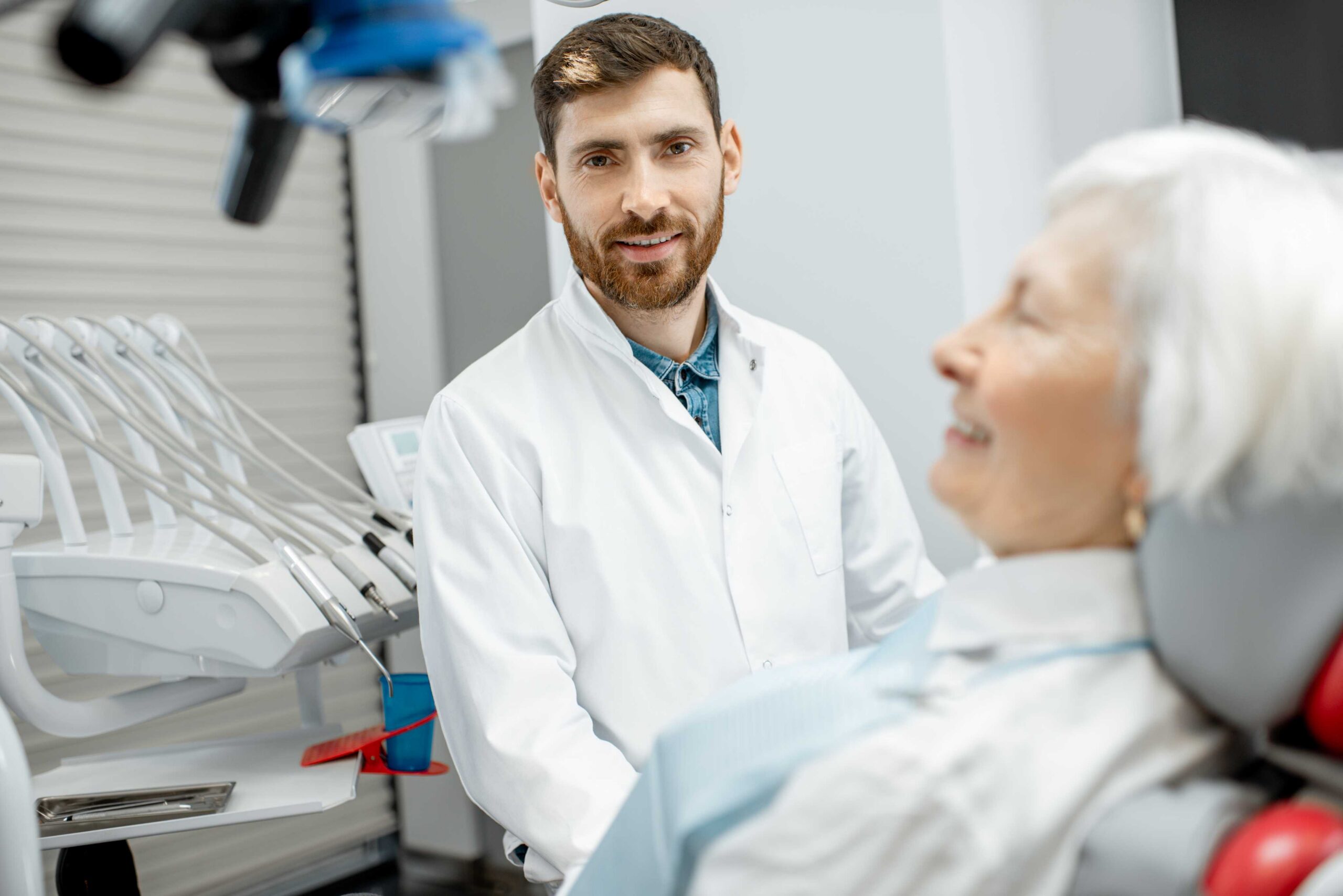
A dentist in Rosemead, CA patients choose to support preventive exams, cleanings, gum health checks, family dental needs, pediatric guidance, and urgent dental concerns after a complete evaluation. Regular dental visits in Rosemead, CA can help identify cavities, gum inflammation, tooth wear, cracked teeth, bite changes, children’s dental development concerns, and early oral health issues before they become harder to manage. The right dental visit should explain what is healthy, what needs care first, and what can be monitored.
Dental care is easier to manage when patients understand what is happening and why it matters. A tooth may feel sensitive, gums may bleed during brushing, or a child may complain that chewing feels uncomfortable. Some patients in Rosemead, CA may not have symptoms but still want a reliable dental visit for prevention and long-term planning.
Patients searching for dentists in Rosemead, CA often want more than a nearby office. They may want support for children, adults, older family members, and urgent dental concerns if something changes suddenly. At InStyle Dental, a dental visit can help patients understand current oral health, ask practical questions, and review care options based on an evaluation rather than guessing symptoms.
A Useful Visit Starts with Your Current Oral Health
A complete dental visit should begin by understanding where the mouth stands today. The dentist may review health history, medications, past dental work, daily habits, symptoms, and goals.
The exam may include checking the teeth, gums, bite, oral tissues, and existing restorations. Cleanings help remove plaque and tartar that brushing and flossing may not fully remove.
X-rays may be recommended when needed. They can help show cavities between teeth, bone levels, root concerns, tooth development, or issues under older dental work.
Why Routine Care Helps Before Problems Grow
Routine dental care helps find changes before they become more difficult to treat. A small cavity, mild gum inflammation, or worn filling may be easier to address before pain appears.
Patients in Rosemead, CA may also need guidance around dry mouth, clenching, grinding, snacking habits, tobacco use, brushing technique, or flossing challenges. These daily factors can affect long-term oral health.
Prevention does not mean problems will never happen. It helps patients make decisions earlier, when treatment planning is usually clearer.
Gum Health Can Change Quietly
Gum problems do not always start with pain. Early signs may include bleeding, puffiness, bad breath, tenderness, or gum recession.
A gum health review can help identify inflammation and areas that need closer cleaning. If gum disease is present, treatment may be recommended before cosmetic or restorative care.
Healthy gums support the teeth and help protect the bone around them. Gum care is part of long-term dental health, not only a cleaning concern.
How Children’s Dental Needs Fit In
A pediatric dentist Rosemead, CA search often starts when parents want guidance for a child’s teeth, habits, or dental comfort. Children may need help with brushing, cavity prevention, tooth development, and early bite concerns.
Children’s visits may include checking baby teeth, permanent teeth, gum health, and cavity risk. Parents may also ask about thumb sucking, flossing, snacks, mouthguards, or dental anxiety.
Dental care for children should feel calm and age appropriate. The goal is to build trust while helping families understand daily habits.
How Family Dentistry Supports Different Ages
A family dentist in Rosemead, CA, for patients visit may help households manage dental care in one familiar setting. Children, teens, adults, and older adults often need different types of support.
Teens may need guidance around sports drinks, orthodontic questions, or wisdom tooth development. Adults may need gum care, fillings, crowns, or cosmetic discussions. Older adults may need support with dry mouth, worn teeth, missing teeth, or older restorations.
Connected records can make care easier to follow over time. Past X-rays, treatment notes, and gum measurements can help guide future recommendations.
Urgent Symptoms Should Be Taken Seriously
Some dental concerns should not wait for a routine appointment. Severe pain, swelling, trauma, fever, uncontrolled bleeding, or signs of infection should be checked promptly.
An emergency dentist in Rosemead, CA patients search for may help evaluate broken teeth, knocked-out teeth, strong toothaches, swelling, lost restorations, or mouth injuries. The first step is usually diagnosis.
Urgent care may involve temporary care, repair, medication guidance, referral, or follow-up treatment. The right plan depends on the cause of the symptoms.
Bite Changes Can Affect Comfort
The way teeth meet can affect chewing, tooth wear, and restorations. A bite that feels different may be linked to tooth movement, grinding, a cracked tooth, or older dental work.
Bite pressure can contribute to worn enamel, chipped teeth, jaw soreness, or cracked fillings. Some patients grind during sleep and may not know it.
A bite review can help explain why certain teeth feel sore or why restorations may be worn faster. This is useful for both routine and urgent care.
What Makes Dental Care Feel Clear
A helpful dental visit should give patients directions. It should explain which findings are healthy, which needs care soon, and which can be monitored.
A strong visit may include:
- A full-mouth exam
- Gum health review
- Cavity and restoration checks
- Children’s dental guidance when needed
- Family care planning
- Bite and tooth wear review
- Urgent symptom guidance
- Home-care recommendations
- These benefits depend on regular visits, daily habits, medical history, and each patient’s oral health needs.
What to Expect at a First Appointment
A first appointment often begins with health history, medications, symptoms, past dental experiences, and goals. Adults may mention sensitivity, bleeding gums, missing teeth, old dental work, or dental anxiety. Parents may share concerns about a child’s brushing, tooth pain, or habits.
The dentist may examine teeth, gums, bites, restorations, and oral tissues. X-rays may be recommended based on symptoms, risk level, age, and timing of previous images.
After the exam, patients should receive a clear explanation. The next step may be cleaning, monitoring, gum care, fillings, pediatric guidance, family dental planning, urgent treatment, or another recommendation based on findings.
Local Patient Review
“I came in with questions for myself and my child. The visit helped explain what needed care, what could be watched, and how to improve home care.”
A Steady Approach to Ongoing Dental Care
Dental care feels more manageable when patients understand what is healthy, what needs attention, and what can be watched. For patients in Rosemead, CA looking for preventive visits, children’s dental guidance, family care, or urgent dental support, InStyle Dental can help explain the next step after a complete evaluation.
Frequently Asked Questions
What should a new patient ask a dentist for Rosemead, CA during the first visit?
Ask what was found, what needs attention first, what can be monitored, and how your home-care habits affect your teeth and gums.
Can children and adults be seen at the same dental office?
Many dental offices support children, teens, adults, and older adults. Each person still needs care based on age, habits, and oral health needs.
What signs mean a child should see a dentist sooner?
Tooth pain, swelling, broken teeth, bleeding gums, trouble chewing, or dental injury should be evaluated. Children may not always describe symptoms clearly.
Why do my gums bleed even when I brush daily?
Bleeding may come from plaque buildup, brushing technique, gum inflammation, or gum disease. A dental exam can help identify the cause.
Can a regular dental visit help prevent emergencies?
Routine visits may find worn fillings, cracks, cavities, or gum issues early. This can reduce the chance of some urgent problems, though emergencies can still happen.
How do I know if tooth pain is urgent?
Severe pain, swelling, fever, trauma, uncontrolled bleeding, or pain that disrupts sleep should be checked promptly.
Should dental care plans be different for each family member?
Yes, children, teens, adults, and older adults may need different care schedules, home-care tools, and treatment priorities.
What makes long-term dental records useful?
Records help track changes in teeth, gums, bites, and past dental work. This can make future recommendations clearer and more specific.