
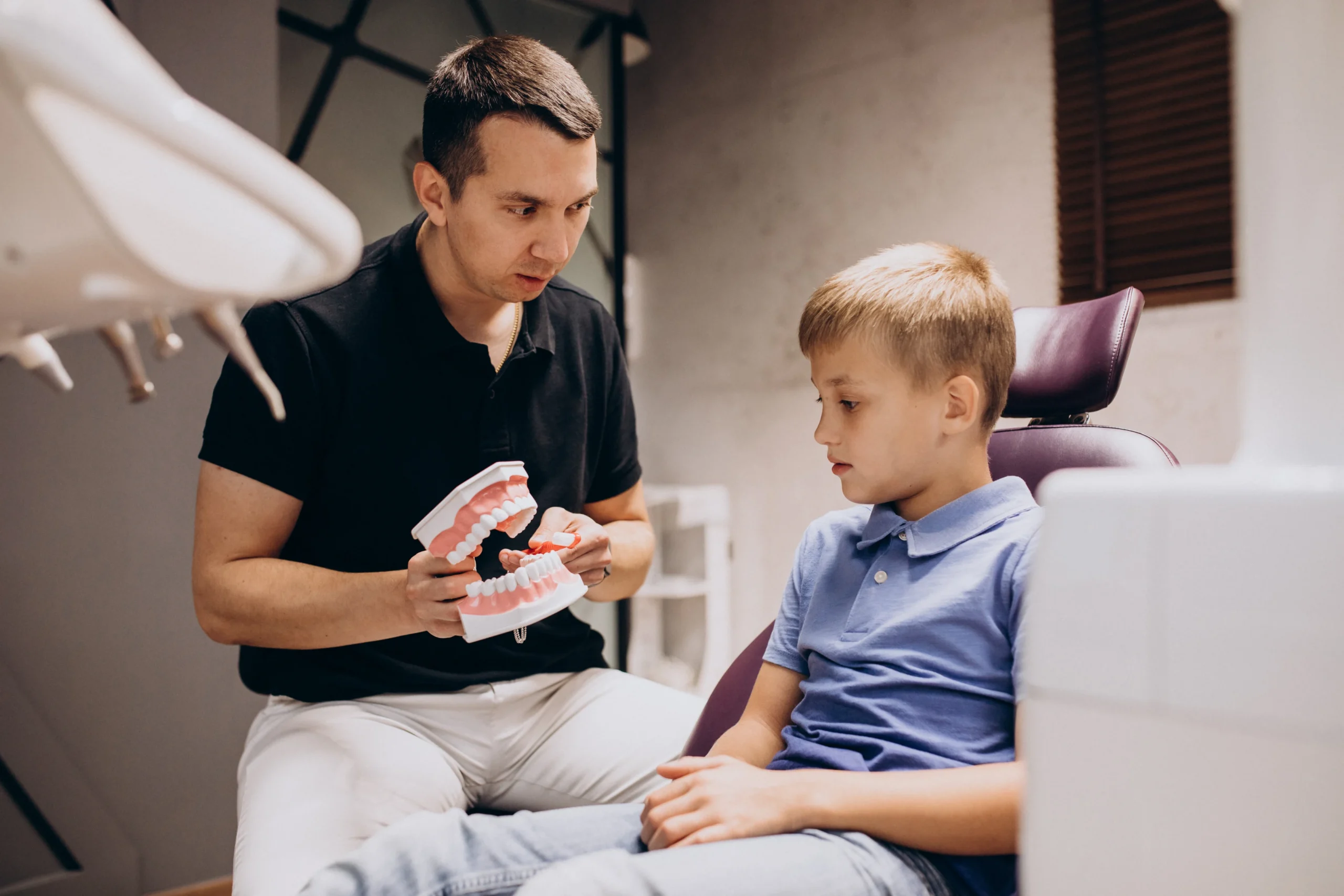
A pediatric dentist at Rosemead, CA. Parents search to help children with routine checkups, cavity prevention, tooth development, brushing guidance, dental anxiety, tooth pain, injuries, and early bite concerns. Children in Rosemead, CA should be evaluated if they have tooth pain, swelling, broken teeth, bleeding gums, trouble chewing, or dental trauma. Regular dental visits can also help parents understand daily home care, diet habits, fluoride needs, and when a child’s dental growth should be monitored more closely.
Children do not always explain dental discomfort clearly. A child may avoid chewing on one side, complain only at bedtime, cry during brushing, or say a tooth feels “weird” without being able to describe pain. Parents in Rosemead, CA may also notice dark spots, bleeding gums, bad breath, or a chipped tooth after playing.
Patients searching for a pediatric dentist in Rosemead, CA often want to know when a child’s dental concern needs attention and when it can wait for a routine visit. Children’s dental care should focus on prevention, comfort, growth, habits, and early guidance. At InStyle Dental, children’s visits may help parents understand what is normal, what needs care, and how to support better brushing and eating habits at home.
Children’s Teeth Need Early Monitoring
Baby teeth matter even though they eventually fall out. They help children chew, speak clearly, and hold space for permanent teeth.
A dental visit can help monitor how baby teeth are developing and whether permanent teeth are coming in as expected. It can also help identify early cavities, gum irritation, enamel concerns, or bite changes.
Early monitoring does not mean every finding needs treatment right away. Some concerns may be watched, while others need to care sooner.
Why Cavities Can Develop Quickly in Kids
Children can develop cavities when plaque bacteria and frequent sugars weaken enamel. Snacks, juice, sticky foods, and inconsistent brushing can raise cavity risk.
Back teeth are especially easy to miss while brushing. Deep grooves in molars can also trap food and plaque.
A cavity may not hurt at first. By the time a child complains, decay may already be deeper. Regular dental visits can help find problems earlier.
Brushing Help Is Often Needed Longer Than Parents Expect
Many children want to brush on their own before they have the hand skill to clean well. Parents may still need help, especially with back teeth and along the gumline.
A dental visit can show parents where plaque is building up. This makes home care more specific and easier to improve.
Flossing may be needed when teeth touch. If floss snaps, shreds, or gets stuck, parents should mention it during the visit because it may point to tight contacts or rough tooth surfaces.
Food, Drinks, and Cavity Risk
Children’s eating patterns can affect tooth health. Frequent snacking gives mouth bacteria more chances to make acids that weaken enamel.
Juice, sports drinks, soda, sweetened milk, and sticky snacks can increase cavity risk when used often. Even small sips throughout the day can matter.
Water between meals can help reduce how long sugars stay on teeth. Parents do not need a perfect diet plan, but small changes can support healthier enamel.
Dental Anxiety in Children
Some children feel nervous because the dental office is unfamiliar. Others may have had a past painful tooth, gagging, or fear of sounds.
A calm visit can help children understand what will happen in simple terms. Parents can also help by using relaxed language and avoiding scary descriptions before the appointment.
At InStyle Dental, children’s care may include age-appropriate explanations, gentle pacing, and clear communication with parents about what was found and what comes next.
Tooth Pain in Children Should Be Checked
A child’s tooth pain can come from cavities, gum irritation, erupting teeth, dental injury, food stuck between teeth, or a loose baby tooth. It is not always easy to tell the cause at home.
Pain that disrupts sleep, makes chewing difficult, or comes with swelling should be checked promptly. Fever, facial swelling, pus, or a bad taste may suggest infection.
Parents should not assume baby tooth pain is less important. Infection or deep decay in baby teeth can affect comfort and may need dental care.
When a Child’s Injury Needs Urgent Care
Falls, sports, and play can lead to chipped, loose, moved, or knocked-out teeth. Dental trauma should be evaluated because damage may not always be visible.
A knocked-out baby tooth should not be pushed back into the socket. A knocked-out permanent tooth is different and needs urgent dental care. Keep the permanent tooth moist and seek care quickly.
An emergency dentist in Rosemead, CA parents contact may help when a child has severe pain, swelling, trauma, uncontrolled bleeding, or a broken tooth with exposed inner structure.
How Pediatric and Family Dental Care Work Together
A family dentist at Rosemead, CA households visit may support children, teens, adults, and older adults in one setting. This can help parents manage appointments and records more easily.
A child may need cavity prevention and brushing support, while an adult may need gum care or restorative treatment. Keeping care connected can make household dental planning simpler.
A dentist at Rosemead, CA for evaluation can also guide when a child’s concern may need monitoring, treatment, or referral based on growth and oral health needs.
Habits That Can Affect Teeth and Bite
Thumb sucking, pacifier use, mouth breathing, tongue habits, and prolonged bottle use may affect teeth, gums, or bite development in some children.
Not every habit causes a lasting problem, but timing and intensity matter. A dental visit can help parents understand what should be watched.
If teeth appear crowded, spaced, or uneven, the dentist may monitor development or discuss whether orthodontic evaluation may be helpful later.
Benefits of Children’s Dental Visits
Children’s dental visits can support prevention and help parents make better daily choices at home.
Pediatric dental care may help with:
- Cavity checks
- Brushing and flossing guidance
- Tooth development monitoring
- Gum health review
- Diet and snack guidance
- Dental injury evaluation
- Early bite concern monitoring
- Comfort with dental visits over time
- These benefits depend on regular visits, home care, diet, and each child’s oral health needs.
What Happens During a Child’s Visit
A child’s dental visit may begin with questions about brushing, flossing, diet, symptoms, habits, and past dental experiences. Parents should mention pain, sensitivity, bleeding, swelling, injuries, or changes in chewing.
The dental team may examine the teeth, gums, bites, and oral tissues. Cleaning and X-rays may be recommended depending on the child’s age, cooperation, risk level, and symptoms.
After the visit, parents should receive clear guidance. This may include what looks healthy, what needs care, what should be monitored, and how to improve home care.
Local Patient Review
“My child was nervous and had trouble explaining where it hurt. The visit helped us understand the tooth problem and how to make brushing easier at home.”
Helping Children Build Healthy Dental Habits
Children’s dental care is most helpful when parents understand what to watch for and how to support daily habits at home. For families in Rosemead, CA looking for children’s checkups, cavity prevention, dental injury guidance, or help with dental anxiety, InStyle Dental can explain the next step after an age-appropriate evaluation.
Frequently Asked Questions
What age should a child first see a pediatric dentist in Rosemead, CA?
Children should begin dental care early so tooth development, brushing habits, and cavity risk can be monitored. Your dentist can guide timing based on the child’s needs.
Why are baby teeth treated if they fall out later?
Baby teeth help children chew, speak, and hold space for permanent teeth. Untreated decay can also cause pain or infection.
How can I tell if my child has a cavity?
A cavity may appear as a dark spot, rough area, food trap, or sensitivity, but many do not get hurt at first. A dental exam needs to be confirmed.
What should I do if my child knocks out a baby tooth?
Do not push a baby tooth back into the socket. Call a dental office for guidance and have the child evaluated.
Why does my child’s breath smell bad even after brushing?
Bad breath may come from plaque, tongue buildup, cavities, dry mouth, sinus issues, or gum irritation. A dental visit can help identify oral causes.
Can snacks really affect children’s teeth?
Yes, frequent sugary or sticky snacks can increase acid exposure. Water, regular meals, and better brushing can help reduce risk.
What if my child fears dental visits?
Tell the dental team before the visit. Calm explanations, breaks, and a slower pace may help children feel more comfortable.
When is children’s tooth pain urgent?
Pain with swelling, fever, trauma, trouble chewing, pus, or sleep disruption should be checked promptly. Children may not describe symptoms clearly.